A reflection
What is a Paris address?
An address in Paris is not the same thing as an address in most other cities. In American cities, the address is a coordinate, useful for mail, deliveries, taxes. In Paris, the address is a story. It carries the century the building was constructed, the names of the streets the city renamed and renamed again across revolutions and republics, the particular smell of the bakery two doors down, the quality of the light that arrives at a precise angle in early autumn. When Americans tell us they want to buy in Paris, they are not really buying square meters. They are buying an address.
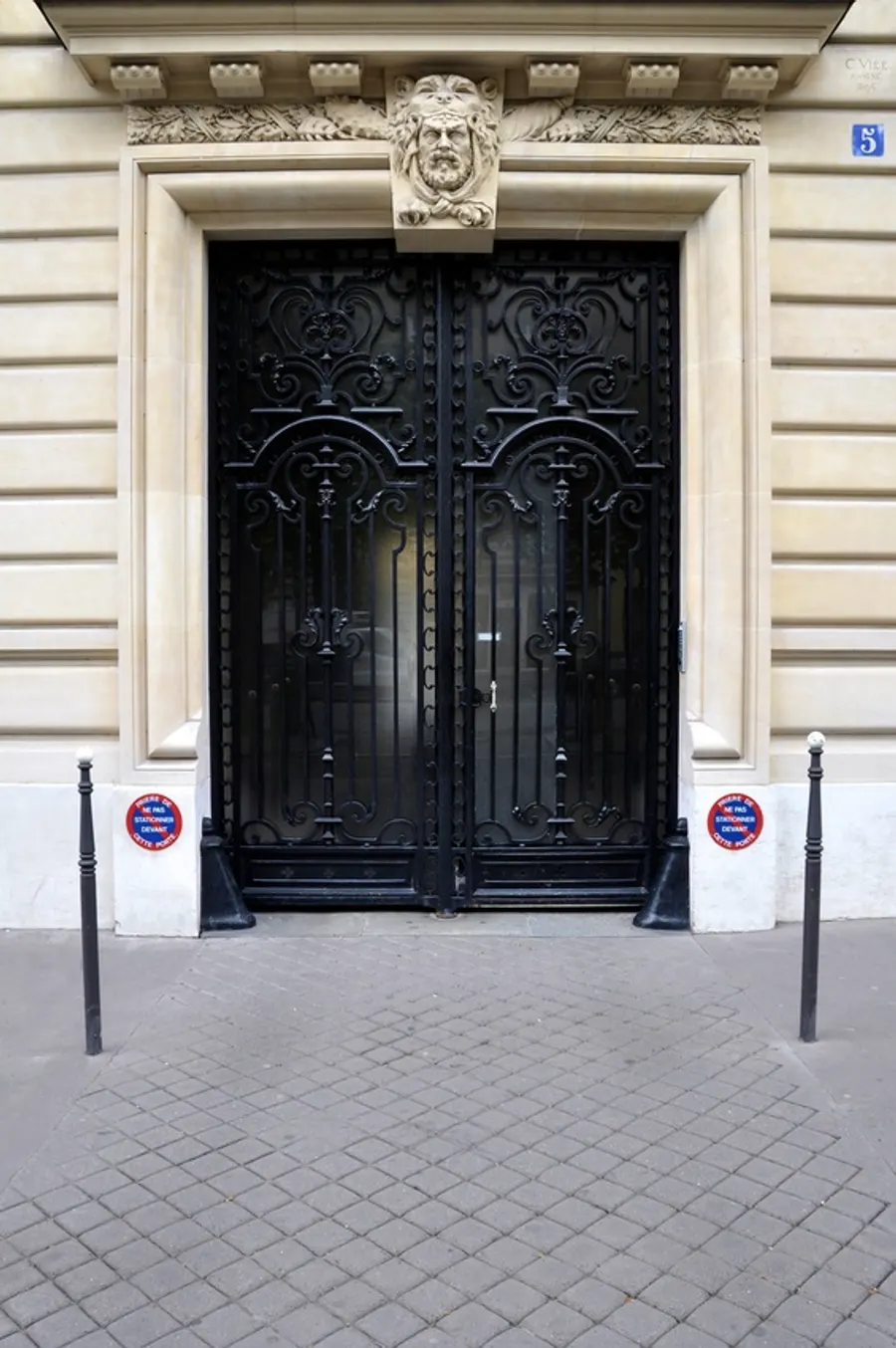
What a Paris address contains
A Paris address contains six things that an American buyer will come to know intimately, in time:
A street with history. Most central Paris streets have existed in some form since at least the 18th century, some since the Middle Ages. The street you choose comes with a name that has appeared in novels, on plaques, in old maps. Rue de Rivoli, rue du Bac, rue de Buci. The street itself becomes part of how you describe your life.
An arrondissement, which is also an identity. Each arrondissement has a character that Parisians know without thinking. The 6th is literary and grown-up. The 16th is residential and family. The 7th is grand and quiet. The 4th is historic and walkable. When you say "I live in the 6th," you have already told a Parisian who you are.
A building, almost certainly older than your country. Most of the apartments our American clients buy are in buildings constructed between 1850 and 1910 (the Haussmann era) or earlier. The building has seen world wars, fashion changes, generations of residents. You become one of those generations.
A floor, which matters more than you would think. In Paris, the étage noble (the noble floor) is typically the second above ground, the one with the highest ceilings and the most ornate ironwork balconies. Higher floors mean more light, more views, fewer street sounds. The floor is part of your address.
A view, even when you do not expect one. Most Paris apartments offer a view of something: a courtyard with chestnut trees, a slice of the Eiffel Tower visible only from the kitchen window, the silver of Sacré-Coeur on the horizon at dusk. The view is part of the address.
A neighborhood routine. The bakery you go to. The café where you sit. The market on Saturday morning. The pharmacy that remembers your name after the third visit. The address comes with the neighborhood routine, and the routine becomes the texture of your Paris life.
Why "address" matters more than "apartment"
When American buyers describe what they want, they often start with the apartment: number of bedrooms, square footage, whether there is a balcony, whether the kitchen has been renovated.
Those are real concerns. But the longer the conversation goes, the more it shifts. By the third call, they are no longer describing an apartment. They are describing a life. A Sunday morning in the 7th, walking to a café for coffee. The school their grandchildren will visit. The friend in Boston they will host. The book they will write on the long table near the window.
That is when we know we are looking for an address, not an apartment.
The apartment is the object. The address is the experience.
Our work is to find the address that holds the experience the client has in mind, often without realizing they have it.
What makes a Paris address worth keeping
In our experience over fifteen years and twelve hundred acquisitions, the Paris addresses that hold their value (and their meaning) over decades share three qualities.
First, they are in arrondissements with international anchoring. The 6th, 7th, 16th, 8th, 1st, 4th, and parts of the 3rd and 9th. These districts have been favored by international buyers and Parisians alike for generations. They will continue to be. Resale liquidity is strong, even in difficult market years.
Second, they are in buildings with architectural character. Pre-war Haussmann construction, with original moldings, parquet, fireplaces, ironwork. These features cannot be reproduced. The market values them. Time honors them.
Third, they have a story you can tell. A view, a terrace, a particular floor, a corner unit, a courtyard, a notable previous resident, anything that makes the address singular among the others on its street. Distinctive addresses outperform generic ones in every market cycle.
We do not find every client a singular address on the first attempt. But we know how to recognize one when we see it, and we know how to wait for the right one.
A Paris address is also an inheritance
Most of our American clients are not buying for one season. They are buying for a decade, two decades, sometimes for a generation. The address they secure today will be the address their children visit, their grandchildren remember, the place where their family Paris story begins.
This is one of the reasons we treat each acquisition with the patience we do. We are not closing a transaction. We are placing a family at an address.